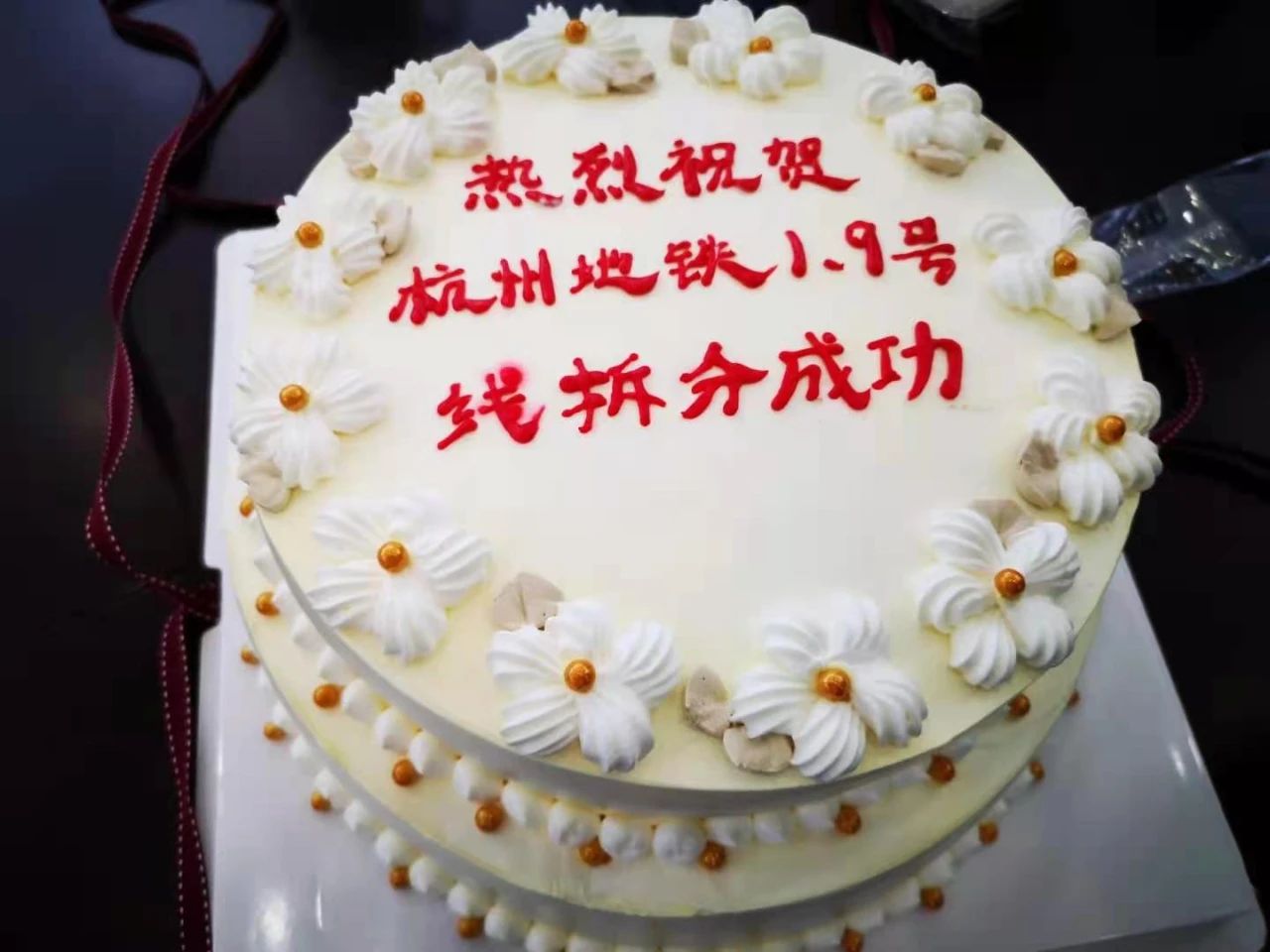
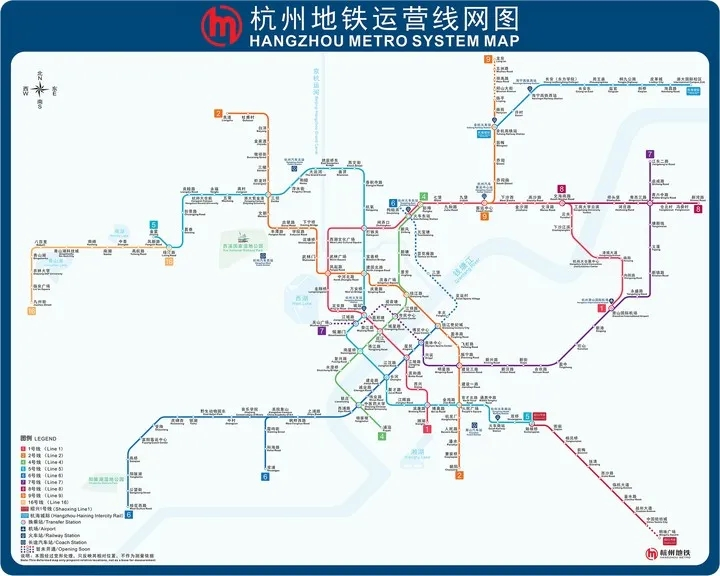
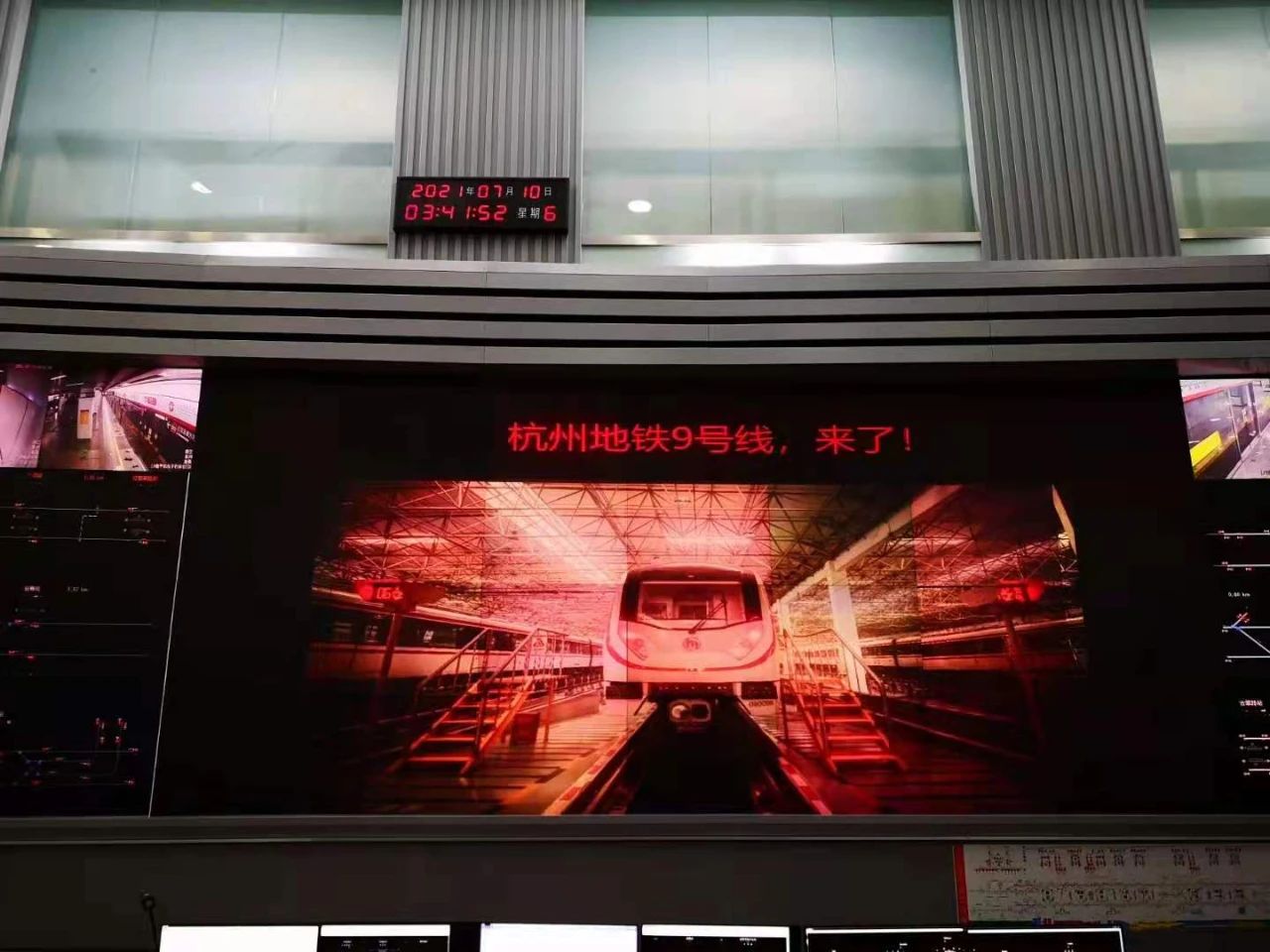
As a livelihood project, metro brings great convenience to people’s daily travel. The completion of Hangzhou Metro Line 9 facilitates commuting for residents along Linping-Qiaosi-Passenger Transport Centre to Qianjiang New Town and Binjiang District. On July 10, the reconstruction and splitting of the former Linping Branch of Line 1 were completed, laying a solid foundation for the opening of Hangzhou Metro Line 9 at the end of the year.
Project Challenges
The Linping Section used to operate as a branch of Line 1, serving as the primary public transport for residents travelling from Linping to South Qiaosi towards the city centre. This project extended the original Linping Branch of Line 1 at both ends to form the independent Line 9. The renovation was extremely challenging: it must not disrupt the normal daytime operation of the existing Linping Branch, a rare case in the history of China’s urban rail transit.
Project Methodology
Despite the rarity and complexity of this renovation, ZTRS possesses rich relevant experience. Back in 2007, Guangzhou Metro split Line 2 into Line 2 and Line 8, the first line-splitting project nationwide. In 2010, when Beijing Metro Changping Line opened, the original Xi’erqi Station was too small to handle interchange demand. A new station was built to its north, requiring system upgrades without service interruption. ZTRS successfully delivered both projects and won recognition from the owners.
For the reconstruction and splitting of the Linping Section from Hangzhou Metro Line 1 into Line 9, drawing on ZTRS’s long-standing experience in system integration and line separation, ZTRS and Hangzhou Metro thoroughly studied the construction plan. Through rational planning and design, technical measures were deployed to enable coexistence of communication equipment for the original Line 1 and the new Line 9. Additional switching devices were deployed to achieve seamless cutover between Line 1 and Line 9 for the final separation. The core objective was zero-perception renovation, completing all works without passengers or operational staff noticing any disruption.
Project Implementation
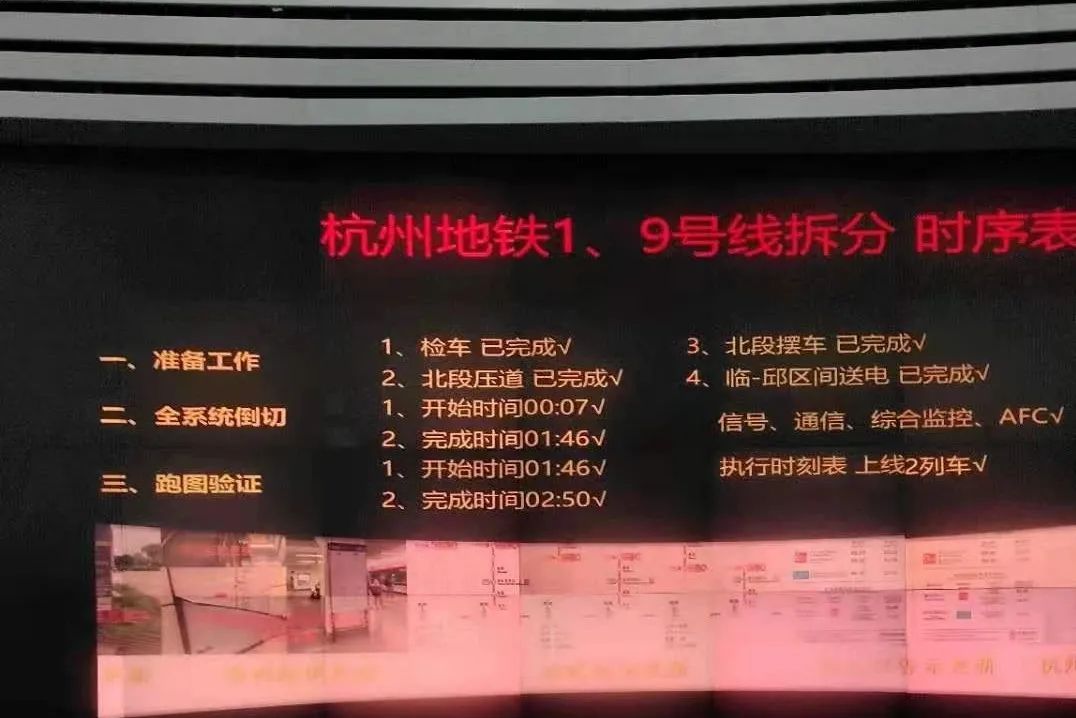
Once the technical approach was confirmed, it was put into practice. All construction and commissioning works were scheduled during the non-operational window at night, which was merely four hours long. Therefore, construction plans were prepared in advance with refined operational steps. Each construction activity required meticulous organisation and time calculation down to the minute. Every renovation task was finished on schedule, and equipment of the Line 1 Linping Branch restored to guarantee normal operation the next day.
Moreover, to ensure absolute reliability of the final formal split, a total of 8 split rehearsals were conducted starting from May. Taking all factors into consideration, full cutover of all systems, inter-system coordination and interface tests were carried out to verify the operational procedures for formal separation. Ultimately, the reconstruction and splitting of the Linping Branch of Hangzhou Metro Line 1 into Line 9 was successfully accomplished.
At 22:50 on July 9, after the last train of Hangzhou Metro Line 1 bound for Linping arrived at Linping Station, the era of the Linping Branch as a subsidiary segment of Line 1 came to an end. Hangzhou welcomed the brand-new Metro Line 9, marking a new chapter in local rail transit history.
About ZTRS
ZTRS has been responsible for ZTE Corporation’s rail transit business since 1998. Focused on intelligent rail transit, it ranks among China’s top ICT enterprises serving the rail sector. The company supplies rail transit customers with products and services covering communication systems, intelligent security, intelligent O&M, intelligent interconnection, urban rail cloud and more.
With over 20 years of development, ZTRS has served more than 260 metro, light rail, monorail, tram, suburban railway and maglev lines across over 50 cities in China. It maintains a leading market share in communication systems and security integration platforms. Continuous breakthroughs have been achieved in intelligent O&M, urban rail cloud, smart stations and intelligent interconnection products. Its industry influence keeps growing, delivering comprehensive services to rail transit clients and earning wide recognition.