
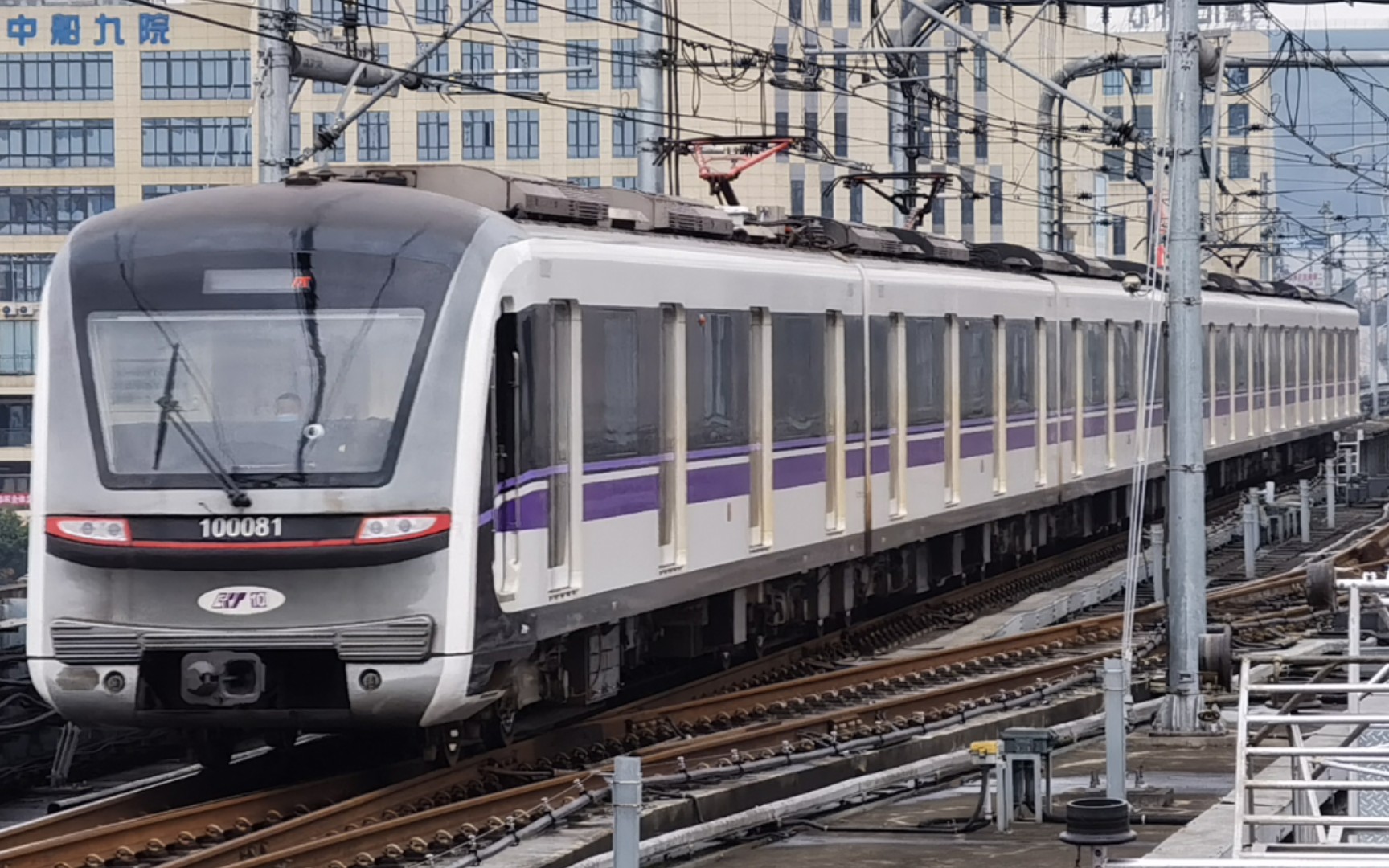
The smart station is a key feature of the Phase II construction of Chongqing Rail Transit Line 10. ZTRS, not only serves as the communication system integrator for this project but also provides the 'ZTRS Smart Metro Video Analysis System,' a crucial component of the smart station. This system has been successfully implemented in the northern section of Phase II of Chongqing Rail Transit Line 10, and the southern section is expected to be operational by the end of this year.
The ZTRS intelligent subway video analysis system realizes the following functions to meet the requirements of smart stations:
Passenger flow statistics: Through front-end passenger flow cameras, the system analyzes the passenger flow at the station based on big data of crowd flow. It makes advance arrangements for service personnel and guides passengers, intelligently addressing issues such as peak passenger flow. During peak hours, to ensure the safety and orderly boarding of passengers on rail transit, the system controls the passenger flow.
Personnel retention: Through the front-end passenger flow statistics camera, analyze whether there is personnel retention on the inspection line after suspension.
Fire detection: Through the front-end dual-spectrum infrared thermal imaging network intelligent camera, fire prevention is carried out in key equipment storage areas such as equipment room and unattended periods of each area. Once an alarm occurs, it will be timely alerted and personnel will be organized to carry out emergency rescue.
Personnel density: the personnel density of the platform and hall is identified through background data analysis, and an alarm is given when the density exceeds the set value.
Escalator detection: abnormal escalators are monitored and notified in time through background data analysis, such as reverse running of escalators and people falling down.
The ZTRS Smart Metro Video Analysis System enhances the intelligence and convenience of rail transit operations, significantly improving the perception of subway operational status. By analyzing abnormal events at stations and passenger flow trends, it provides data support for rail transit operation management, passenger flow analysis, and personnel scheduling. This system plays a crucial role in enhancing emergency response capabilities at stations and public travel service levels, and in establishing a safe and efficient operational management system.